Skip to main contentSamiraMohammadkhani

Welcome to my studio.

Paintings shaped by memory, Persian art, and contemporary practice.

About the artist

Between Persian tradition and contemporary memory.

Samira Mohammadkhani in her Seattle studio

Samira Mohammadkhani is a Seattle-based artist, journalist, author, and educator. Her practice moves between abstract painting, Persian calligraphy, Tazhib, Gol-o-Morgh, and Negargari, bringing Persian literature and art history into conversation with contemporary image-making.

Across painting, writing, and teaching, she explores memory, poetry, identity, and the enduring visual language of Persian art.

About the artist

Selected works

A closer look at the studio.

A small selection from Samira’s painting, calligraphy, and Persian art practice.

Boundless by Samira Mohammadkhani

Calligraphy

Boundless

12 × 16 in

This artwork is inspired by a poem by the contemporary Iranian poet Sohrab Sepehri: "Wherever I may be, let me simply be. The sky belongs to me. The window, thought, the air, love, and the earth belong to me." The piece explores the idea of carrying a safe home within oneself, a place of belonging that exists beyond geography, where peace, freedom, and love can always be found.

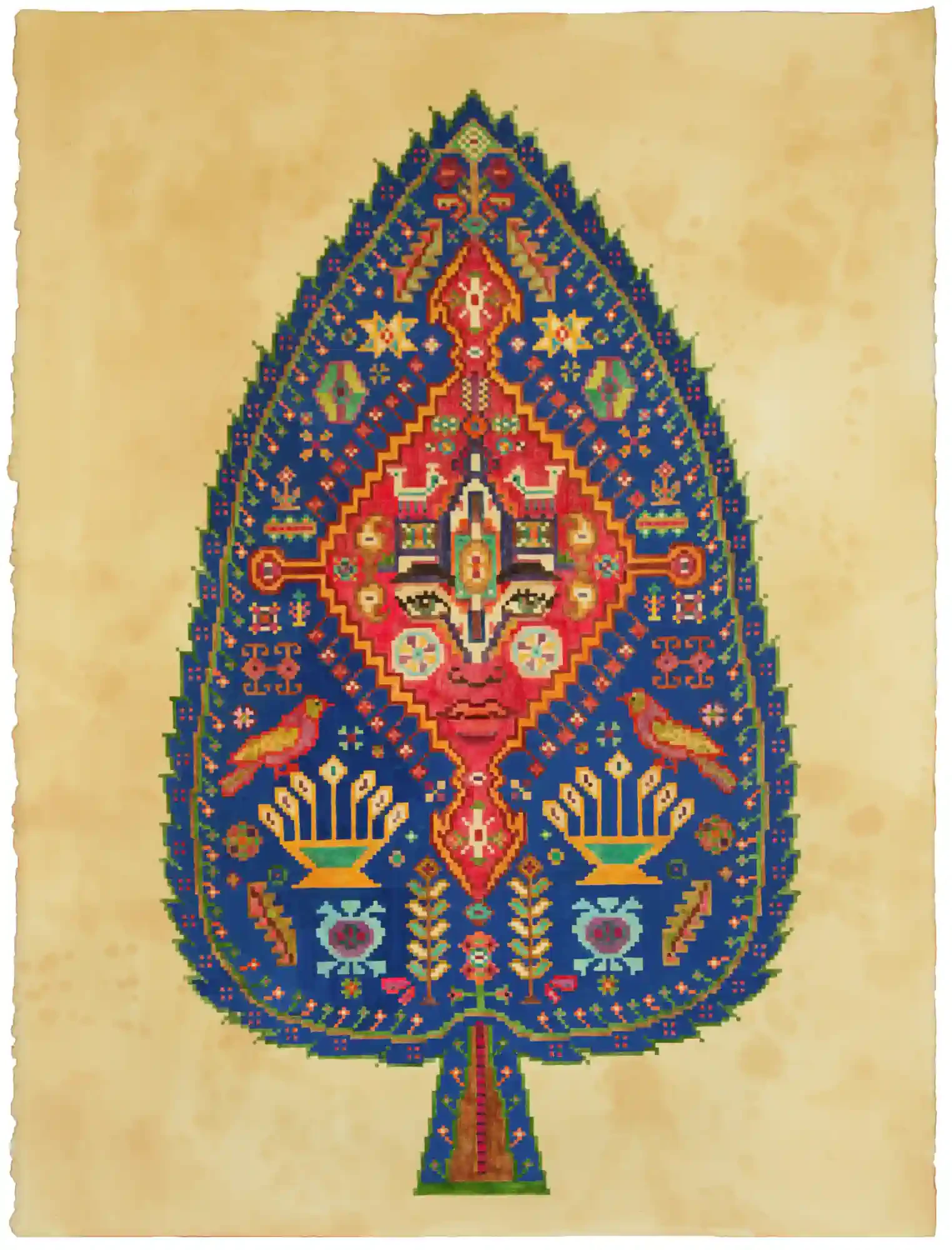
The Eternal Bloom by Samira Mohammadkhani

My Cypress Garden

The Eternal Bloom

22.5 × 30 in

Rooted in the traditional Persian painting style of Gol-o-Morgh, this work explores the language of love, affection, and beauty associated with the relationship between flowers and birds. Even when birds are not literally present, the visual tradition is still understood within the broader language of Gol-o-Morgh. In this painting, the artist transforms the floral vocabulary of Gol-o-Morgh into the form of a cypress tree, a central symbol of grace, beauty, and enduring presence in Persian visual culture. Through this transformation, the work brings together the tenderness of Gol-o-Morgh with the elegant, upright form of the cypress, creating an image centered on love, affection, and beauty. The painting remains closely connected to traditional Persian aesthetics in both its imagery and decorative language, while reinterpreting those traditions through a new composition.

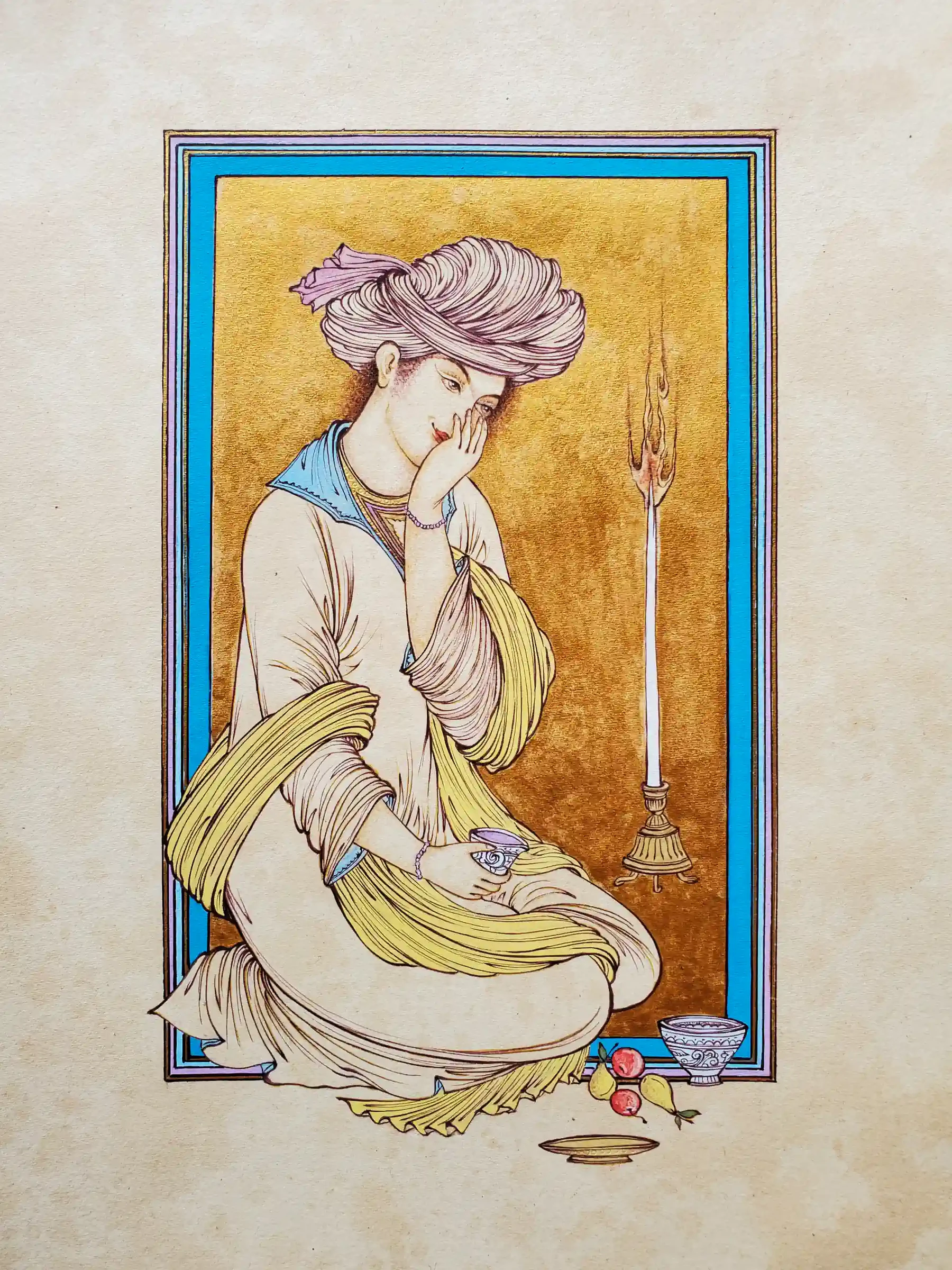
The Observer by Samira Mohammadkhani

Traditional Persian Painting

The Observer

8 × 10 in

This figurative work is painted using the traditional Persian techniques of Ghalamgiri and Pardaz. Ghalamgiri defines the figure through extremely delicate and precise brushwork, while Pardaz is used to create the soft gradations of gray and black. The shading is built gradually with a very fine brush and an almost transparent light gray. Rather than applying a dark tone directly, the artist develops the deeper grays and blacks through more than fifty successive layers, allowing the transitions to remain exceptionally soft and smooth. This careful layering is especially visible in areas such as the collar and boots, where the darkest tones emerge slowly from repeated applications of pale gray. The process gives the figure a refined sense of depth while preserving the delicacy and subtlety characteristic of traditional Persian painting.

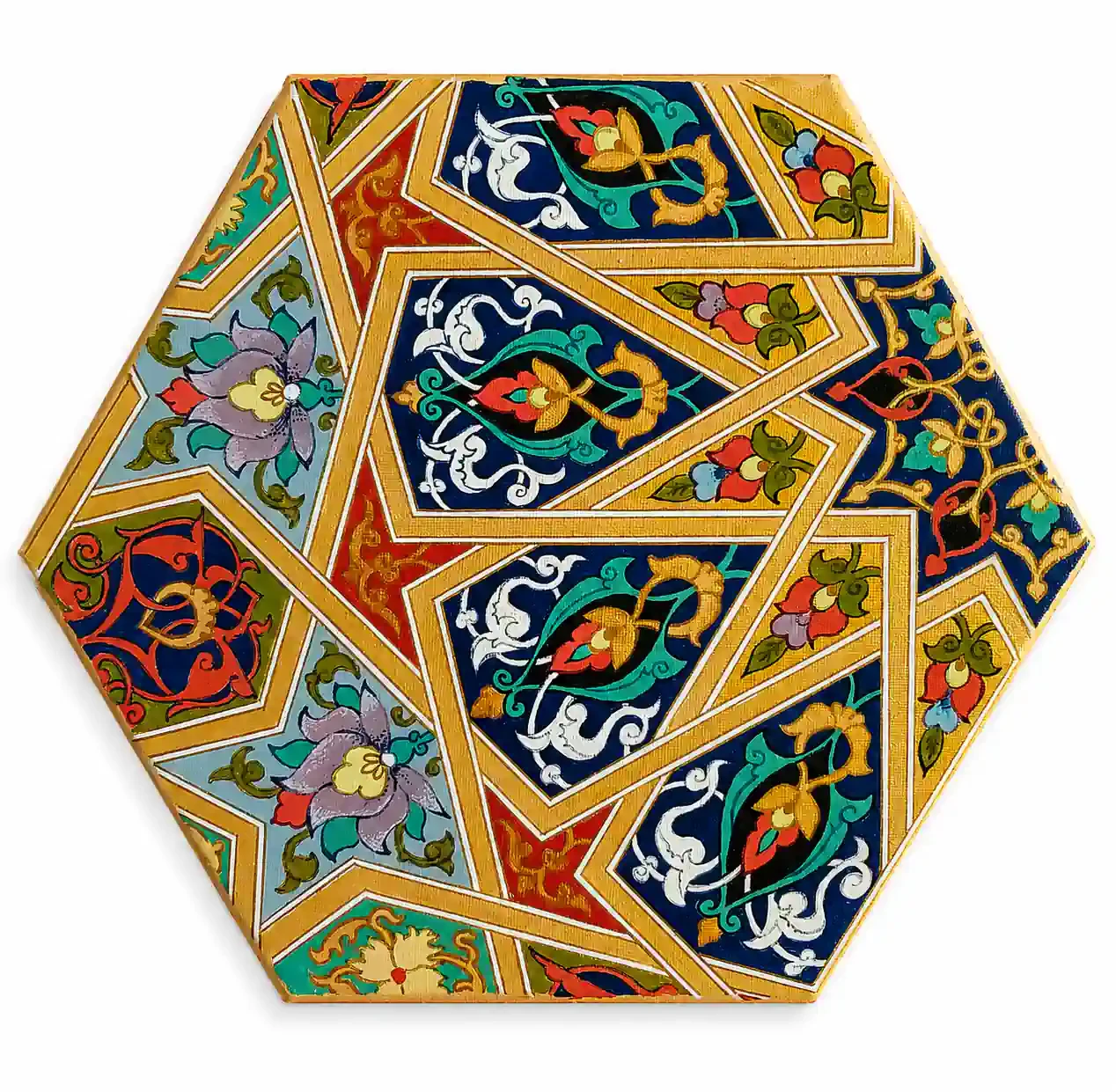
Katibeh Safavieh by Samira Mohammadkhani

Tazhib

Katibeh Safavieh

12 × 12 in

A Persian Katibeh is an illuminated decorative panel traditionally created to surround and honor calligraphy. Inspired by the Safavid tradition, it combines intricate floral and geometric ornamentation, transforming the written word into a unified work of art.

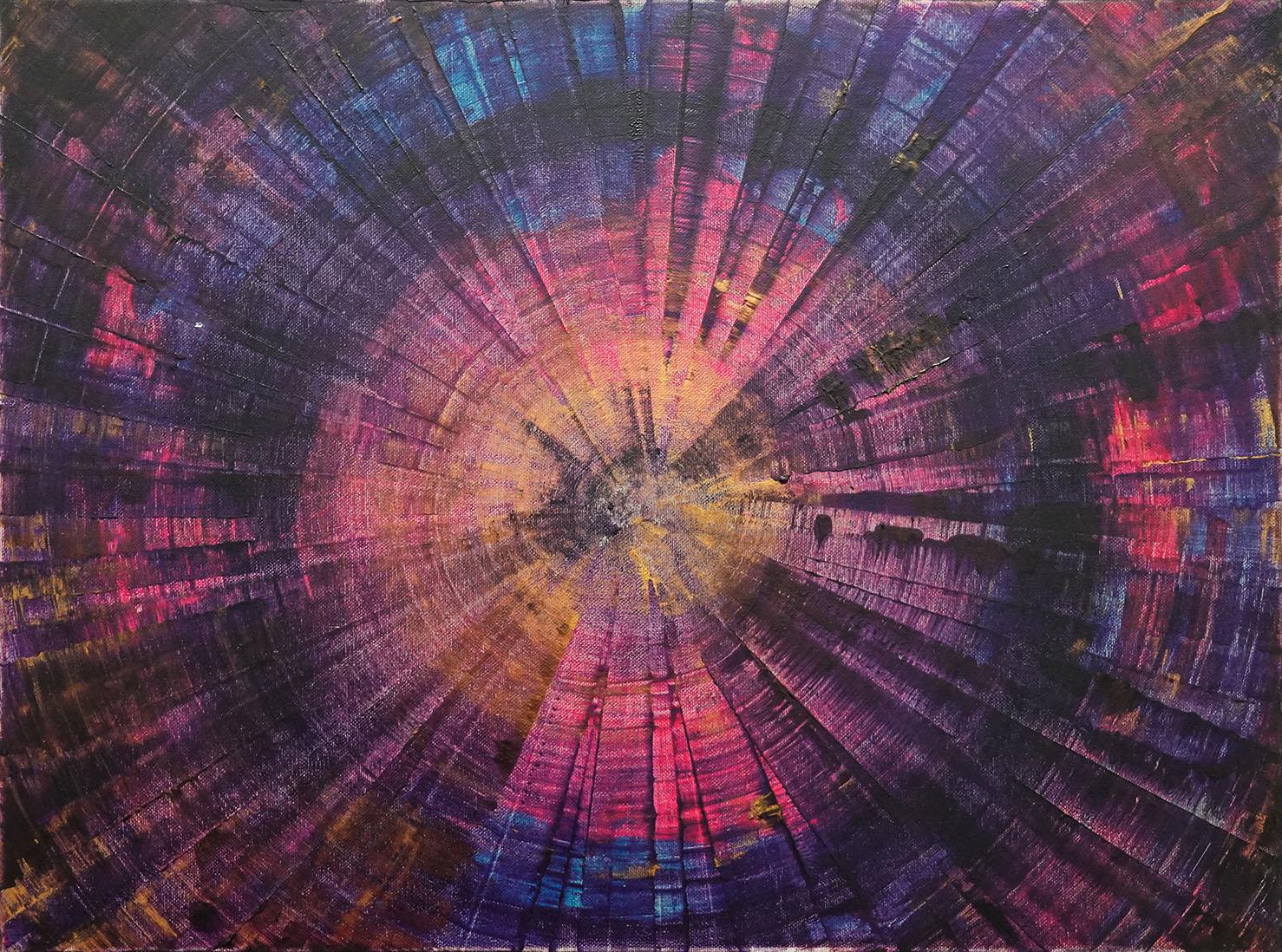
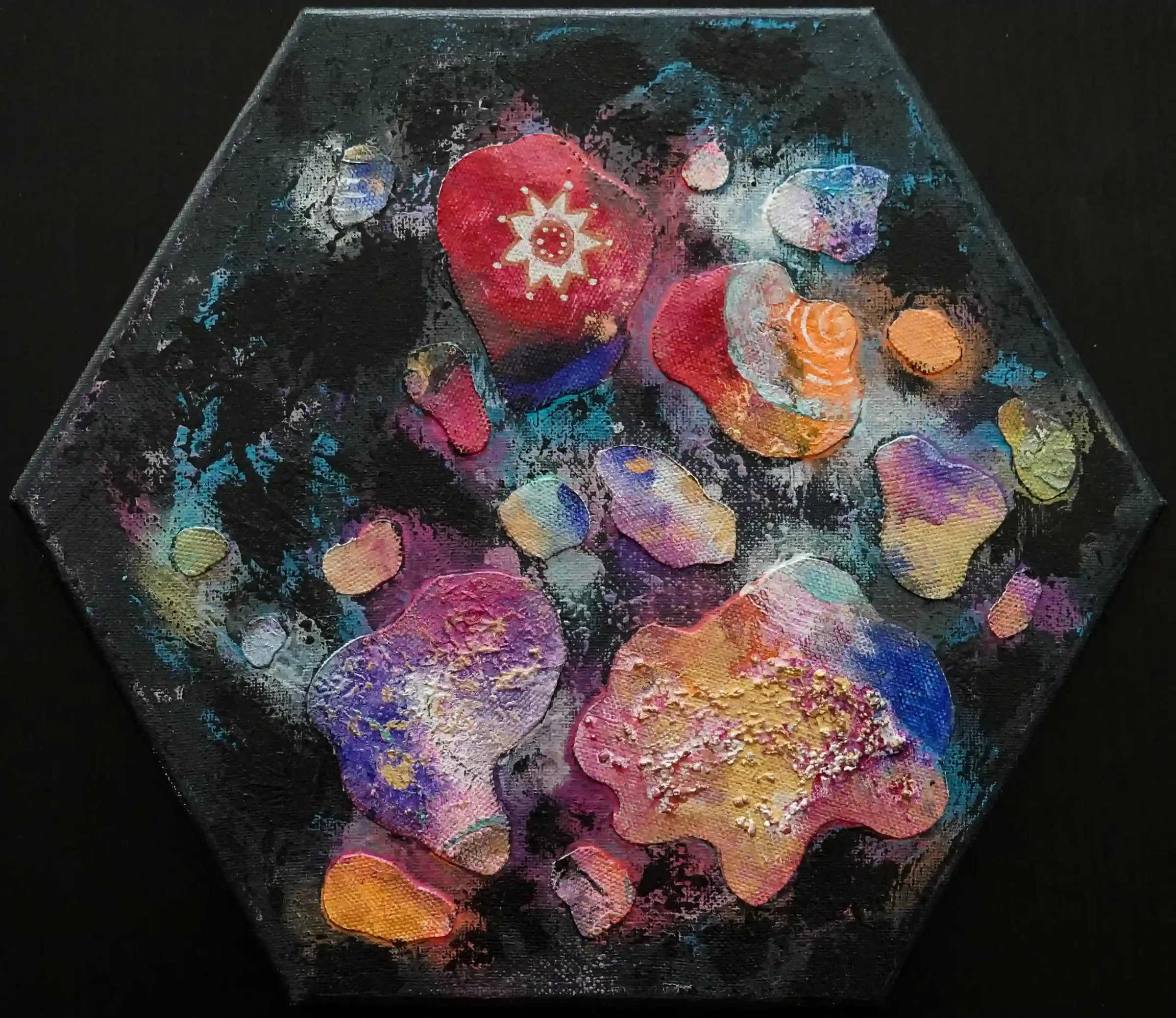
Into Deep Sleep on the Left Side by Samira Mohammadkhani

Abstract

Into Deep Sleep on the Left Side

30 × 40 in

This artwork is part of a two-piece series inspired by the vastness of space and the feeling of dreaming beneath an endless sky. The work invites the viewer into a quiet, imaginative world where the boundaries between reality and dream begin to dissolve. The infinite sky becomes a symbol of possibility, wonder, and inner freedom, suggesting the comfort of allowing oneself to dream beyond what is familiar or known.

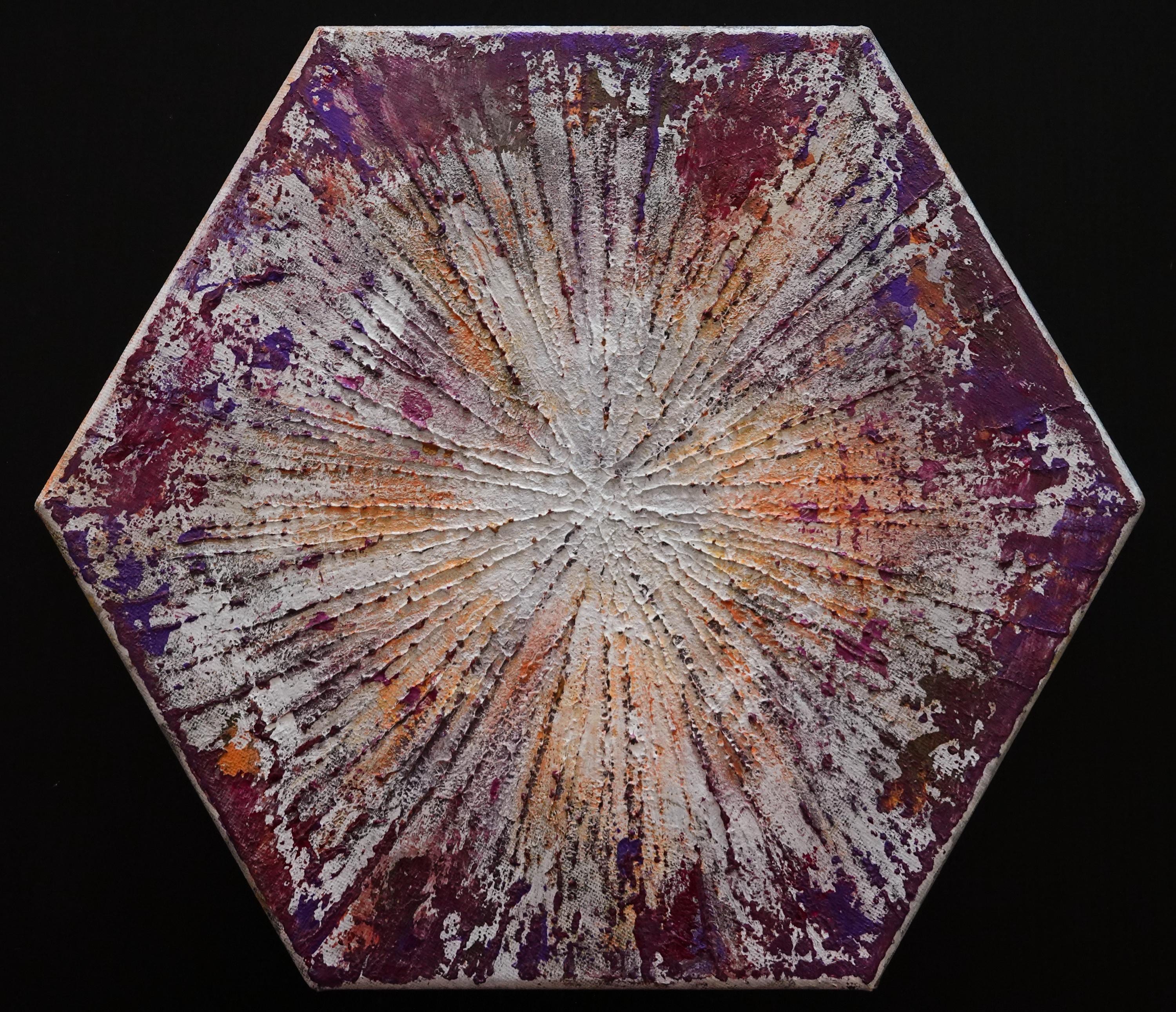
Tree of Life by Samira Mohammadkhani

Others

Tree of Life

20 × 30 in

I'd been carrying the image of an upside-down Tree of Life for many years, a tree with its roots in the open sky and its blossoms hidden beneath the earth. When I painted this piece, I couldn't stop thinking about The Little Prince and the single red rose on his tiny planet. Somehow, the two found each other on the canvas.

Explore all artworks

Journal

Notes on art, memory, and process.

Writing on Persian art, studio practice, poetry, teaching, and the stories behind individual works.

See more

Studio enquiries

Exhibitions, commissions, teaching, and collaborations.

For exhibition opportunities, artwork inquiries, teaching, or creative collaborations, contact Samira directly.

Get in touch