A creative life is shaped by much more than talent alone. It requires curiosity, persistence, confidence, discipline, and, for many artists, the ability to turn creative work into a sustainable way of living.
The books below explore different parts of that journey, from discovering and protecting creativity to overcoming resistance, sharing work with others, and navigating the practical realities of building a life around art. Whether you are an emerging artist, an experienced creative, or simply looking for a fresh perspective on your practice, each offers something different to consider.
1. How to Be an Artist Without Being Broke
Sonia Kian
Independently Published
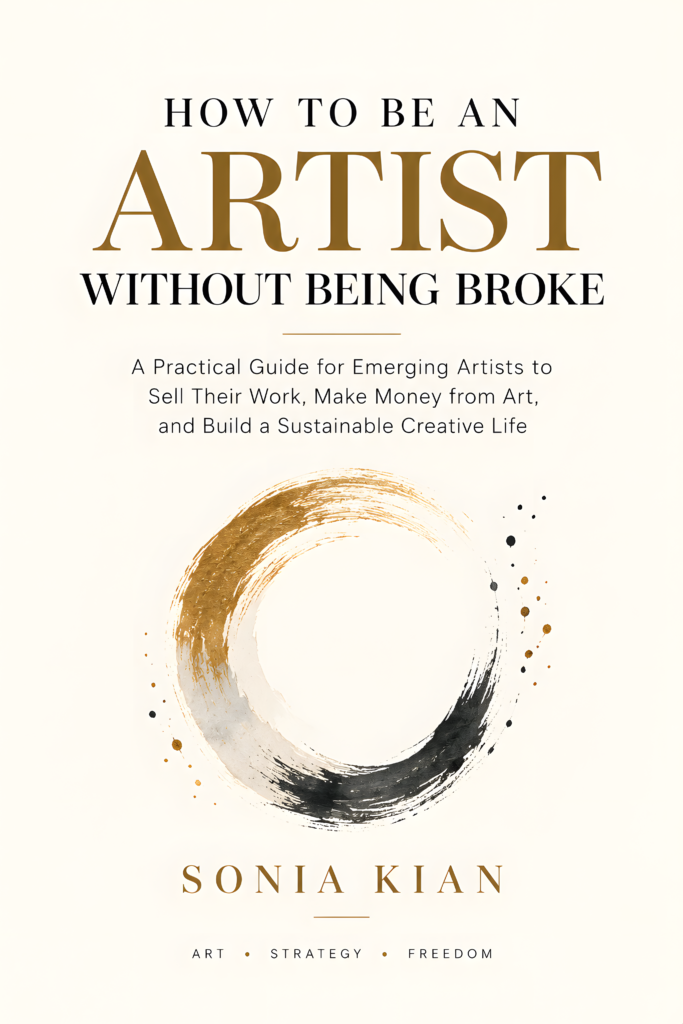
Making meaningful art and building financial stability are often treated as two separate—and sometimes opposing—goals. How to Be an Artist Without Being Broke looks at what happens when artists begin thinking seriously about both.
Written with emerging and independent artists in mind, the book explores the practical realities of building a sustainable creative life: understanding the value of your work, developing different sources of income, approaching the business side of an art practice, promoting your work, and making financial decisions that support rather than undermine your creative goals.
Rather than presenting a single formula for artistic success, it encourages artists to think strategically about the kind of creative life they want to build—and how to create enough financial stability to keep making art for the long term.
2. The Artist’s Way
Julia Cameron
Publisher: TarcherPerigee
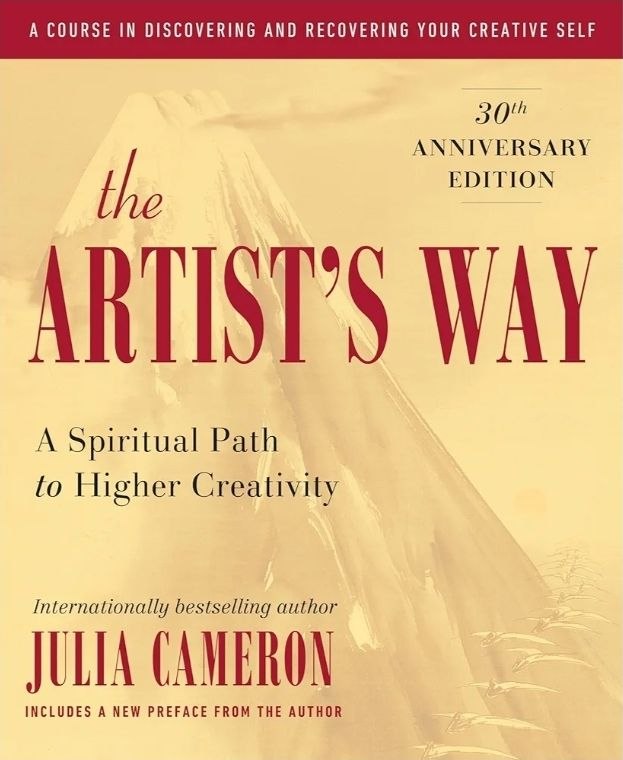
For decades, The Artist’s Way has been one of the best-known books on unlocking and nurturing creativity. Julia Cameron approaches creativity not simply as a talent, but as a practice that can be strengthened through attention, curiosity, and regular habits.
The book is especially known for exercises such as “Morning Pages” and the “Artist Date,” which encourage readers to reconnect with their creative instincts and recognize the fears, expectations, and habits that may be holding them back. It is a thoughtful companion for anyone experiencing creative blocks or looking to develop a deeper and more consistent relationship with their creative life.
3. Steal Like an Artist
Austin Kleon
Publisher: Workman Publishing Company
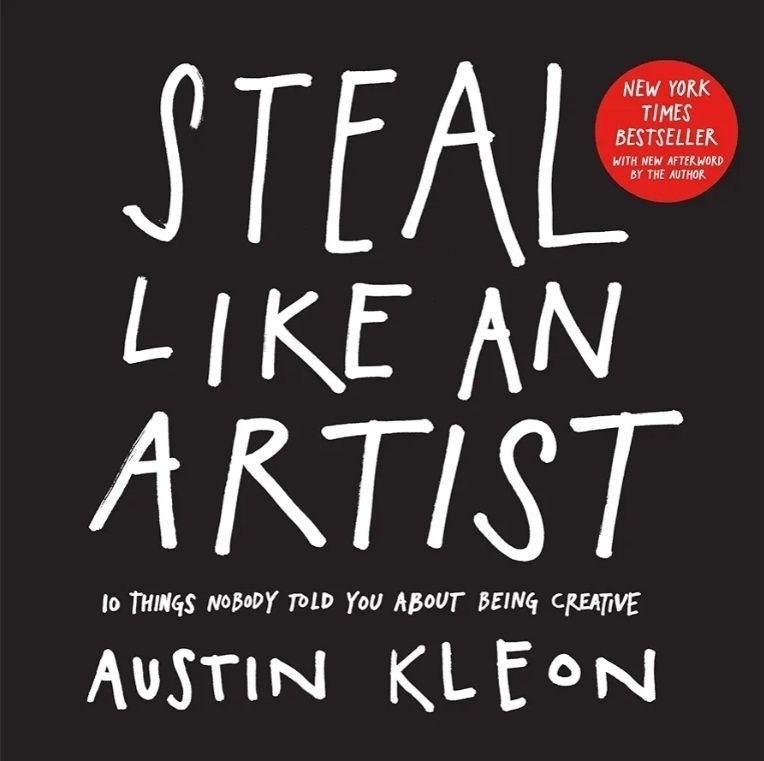
Where do original ideas come from? Steal Like an Artist challenges the romantic notion that creativity happens in isolation. Instead, Austin Kleon explores how artists learn from what inspires them, absorb influences, experiment, and gradually transform those influences into something distinctly their own.
Short, visual, and approachable, the book encourages creative people to stay curious, collect inspiration widely, make things regularly, and allow their artistic identity to evolve through practice. It is particularly valuable for artists who worry about originality or are still discovering their own creative voice.
4. The War of Art
Steven Pressfield
Publisher: Black Irish Books
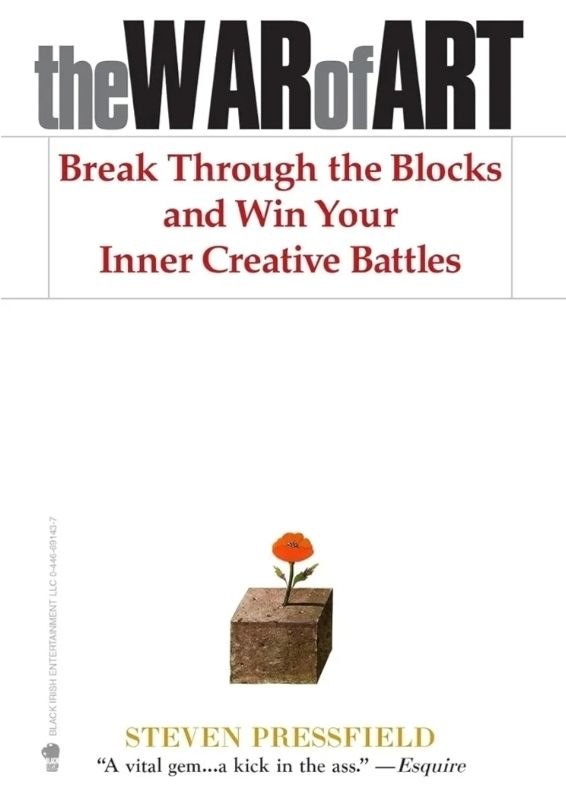
Almost every creative person knows the experience of wanting to make something, and somehow finding a hundred reasons not to begin. In The War of Art, Steven Pressfield gives this invisible obstacle a name: “Resistance.”
Resistance can appear as procrastination, fear, distraction, perfectionism, or self-doubt. Pressfield examines why creative work can provoke these responses and argues for approaching art with discipline and consistency rather than waiting for inspiration to arrive.
For artists struggling to finish projects, establish a routine, or move beyond fear of failure, the book offers a provocative perspective on what it means to take creative work seriously.
5. Show Your Work!
Austin Kleon
Publisher: Workman Publishing Company
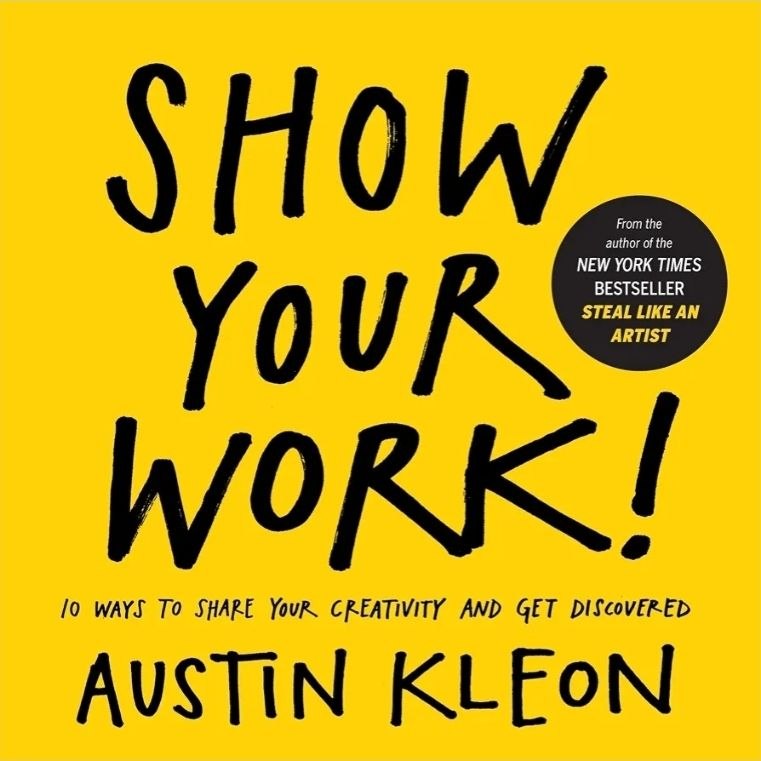
Creating the work is only part of an artist’s journey. Eventually, there is also the question of how to let that work enter the world.
In Show Your Work!, Austin Kleon explores how creative people can share what they are learning, reveal parts of their process, document their development, and gradually build meaningful connections around their work. Rather than focusing on traditional self-promotion, the book encourages generosity, openness, and participation in a larger creative community.
It is an accessible guide for artists who are comfortable making work privately but are still learning how to share their ideas and creative process with others.


